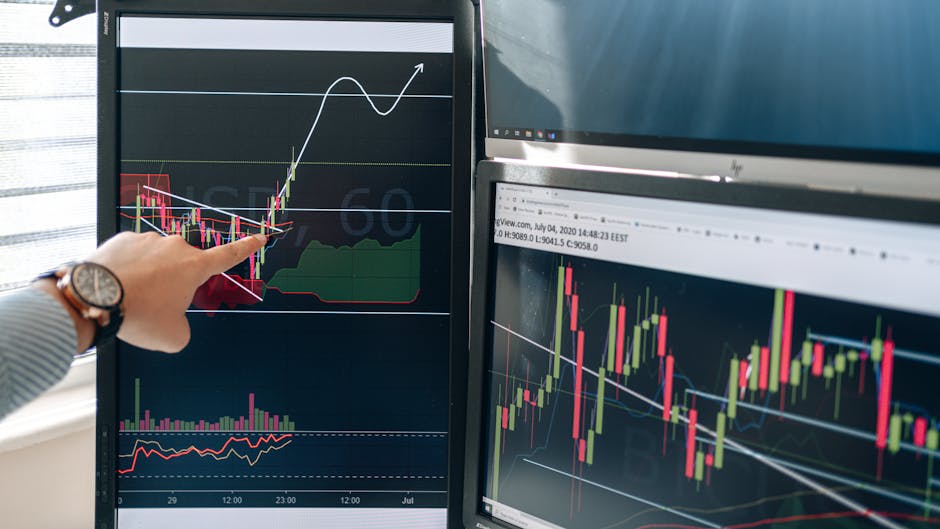
🧠 What Is Technical Analysis? A Beginner’s Guide for Malaysian Traders in 2026
In 2026, Malaysia’s financial landscape is more dynamic than ever. From a bustling equities market on Bursa Malaysia to an expanding interest in cryptocurrencies, commodities, and derivatives, traders across the nation are seeking smarter, faster ways to understand and predict price movement.
One method stands out across generations and asset classes: technical analysis.
But what exactly is technical analysis, and how can Malaysian traders master it for consistent profitability?
Let’s break it down with precision, clarity, and strategy — so whether you’re just beginning or refining your edge, you’ll walk away with real insights you can use.
🔍 Understanding Technical Analysis: The Foundation
Technical analysis is the study of price movements using historical market data, primarily through charts. Unlike fundamental analysis, which focuses on a company’s earnings, news, or macroeconomics, technical analysis assumes that all relevant information is already reflected in the price.
Core Principle: Price Discounts Everything
This idea suggests that markets are efficient in reflecting all information — including public news, expectations, interest rates, and sentiment. Therefore, instead of predicting the “why,” technical analysts focus on the “what” — price and volume behavior.
Malaysia’s Embrace of Technical Analysis
In recent years, technical analysis in Malaysia has matured. From proprietary trading firms to home-based retail traders, thousands are applying technical methods daily. Tools like Security Commision’s approved trading platforms make access easier than ever. Moreover, MATA continues to play a pivotal role in training, certifying, and promoting the growth of competent technical analysts.
📈 Why Technical Analysis Matters for Malaysian Traders
Malaysia’s markets are liquid but often news-driven, reacting sharply to corporate announcements, political shifts, and global economic cues. In such an environment, technical analysis offers structure and clarity where noise dominates.
Here’s why it works:
Chart patterns repeat due to mass psychology.
Indicators provide entry/exit signals aligned with real-time data.
Support and resistance levels reveal hidden market dynamics.
Volume trends confirm or reject price action.
These tools don’t just work in isolation. When combined, they form robust trading strategies suitable for Bursa stocks, Malaysian’s Commodities, Indices, Foreign Exchange pairs, and even Cryptocurrencies.
🧩 Key Concepts in Technical Analysis (With Malaysian Examples)
Let’s explore the building blocks of technical analysis with examples relevant to Malaysia’s financial markets.
1. Trend Analysis: Follow the Flow
Traders often say, “The trend is your friend.” That’s because a well-identified trend can significantly increase the odds of a successful trade.
Uptrend: Series of higher highs and higher lows.
Downtrend: Lower highs and lower lows.
Sideways: Price consolidates within a range.
📌 Example: The KLCI Index during the COVID-19 recovery phase (2020–2022) showed an extended sideways range between 1,470–1,610. Recognizing this saved many from false breakouts.
2. Support and Resistance: Market’s Invisible Barriers
Support and resistance levels mark zones where price reversals are likely. Traders use them to plan entries and exits with precision.
Support: Price floor where demand tends to overcome supply.
Resistance: Price ceiling where supply outweighs demand.
📌 Example:Top Glove (7113) often rebounded from RM0.75 support level in early 2023. Traders who spotted this repeated behavior benefited from short-term scalps.
3. Candlestick Patterns: Language of the Charts
Candlesticks display four key data points: Open, High, Low, and Close (OHLC). They offer powerful visual cues on sentiment shifts.
Some key patterns include:
Hammer: Bullish reversal
Shooting Star: Bearish reversal
Engulfing: Momentum confirmation
Doji: Indecision or potential reversal
📌 Example: In February 2024, Inari Amvertron (0166) formed a bullish engulfing pattern at a key Fibonacci level, followed by a 12% rally.
4. Chart Patterns: The Psychology of Repetition
Chart patterns represent crowd behavior and market psychology. Recognizing them helps traders forecast breakouts or breakdowns.
Head and Shoulders (reversal)
Double Top / Bottom (reversal)
Cup and Handle (bullish continuation)
Triangles (breakout formations)
📌 Example: The FBM Small Cap Index showed a symmetrical triangle breakout in August 2025, leading to a sustained rally.
5. Technical Indicators: Quantifying Price Action
Indicators are mathematical tools based on price, volume, or both. They help filter noise and increase probability.
Popular choices in trading strategies include:
Moving Averages (SMA/EMA): Identify trend direction
Relative Strength Index (RSI): Measure overbought/oversold levels
MACD: Capture momentum and crossovers
Bollinger Bands: Gauge volatility
📌 Tip: Combine indicators, but avoid cluttering your charts. A clean setup enhances decision-making.
⚙️ How to Build a Simple Trading Strategy (Step by Step) with example.
Every Malaysian trader should develop a strategy that suits their risk profile, time commitment, and capital size. Here’s a sample technical approach:
🎯 Example Strategy : RSI + Support + Candlestick Confirmation
Market: Bursa Malaysia large caps Setup:
Identify a support level on the daily chart.
Wait for price to touch support and RSI to drop below 30.
Confirm with a bullish candlestick pattern (e.g., hammer or engulfing).
Enter the trade, place stop-loss below support, set target at next resistance.
📌 Example: In Q1 2025, Petronas Chemicals (5183) offered this setup and rallied 9% in two weeks.
🔒 Risk Management: Your First Priority
Even the best trading strategies can fail without solid risk control. Never risk more than 1–2% of your capital per trade. Use:
Stop-loss orders
Risk-reward ratios (Aim for at least 2:1, ideal 3:1 to 5:1)
Position sizing calculators
Without risk management, emotions will rule your trading decisions, leading to overtrading or holding onto losing positions.
🧠 Trading Psychology: Mastering the Mental Game
Markets are as much emotional as they are logical. Fear, greed, hope, and regret influence decisions more than we admit.
To stay grounded:
Stick to your trading plan
Keep a trading journal
Avoid revenge trading after losses
Celebrate discipline, not profits
The Malaysian retail trader community is growing rapidly. Many start with passion but fall due to emotional missteps. Staying disciplined separates amateurs from professionals.
💼 Tools Every Malaysian Technical Analyst Should Use
In 2026, software tools and platforms make analysis faster and smarter. Here are must-haves:
✔️ Charting Platfom
Different trading platform provided by local approved brokers give you slight different information and give you bigger advantage. Try different charts in different trading platform and find yourself the one suit the most.
✔️ Bursa Marketplace
Provides research tools, stock screeners, and fundamental/technical filters.
✔️ MATA Resources
If you’re a member of the Malaysian Association of Technical Analysts, use the exclusive resources available — including webinars, certified training, and chart reviews.
🏁 Final Thoughts: Why Technical Analysis Is a Must for Malaysian Traders in 2026
In a year defined by AI-driven markets, real-time data, and volatile price swings, having a structured, technically sound approach is non-negotiable.
Technical analysis empowers Malaysian traders to read the language of price, decode emotions behind candles, and respond with precision — not guesswork.
By mastering chart patterns, refining trading strategies, and understanding the psychology behind every move, you don’t just follow the market — you anticipate it.
📚 Frequently Asked Questions (FAQ)
To wrap up this in-depth beginner’s guide, let’s answer some of the most common questions about technical analysis in Malaysia:
❓ Is technical analysis reliable in the Malaysian stock market?
Yes — when used correctly. Technical analysis in Malaysia works especially well for liquid counters on Bursa Malaysia and popular commodities and derivatives. However, no strategy offers 100% accuracy. The key lies in combining technical setups with strong risk management and consistent trading discipline.
❓ Can I use technical analysis for cryptocurrencies and forex in Malaysia?
Absolutely. Many Malaysian traders apply the same chart patterns, indicators, and strategies across asset classes, including Bitcoin, Ethereum, and major forex pairs. Just be mindful of the volatility and 24/7 nature of these markets, especially when trading from Malaysian time zones.
❓ How long does it take to master technical analysis?
It depends on your learning curve and practice frequency. With focused study and active chart analysis, most traders develop a solid foundation within 6–12 months. That said, even seasoned professionals continuously refine their edge. Joining communities like MATA accelerates learning significantly.
❓ Do Malaysian regulators recognize technical analysis?
Yes. While technical analysis is not regulated per se, it is widely practiced and acknowledged as a professional skill. Brokers, fund managers, and proprietary trading firms in Malaysia often employ or train analysts in technical methodologies. MATA also offers certified pathways to build credibility and industry recognition.
❓ What’s the first step I should take as a beginner?
Start with the basics:
Learn to read candlestick charts
Understand support and resistance
Pick one or two indicators (like RSI or MACD)
Backtest on historical charts
Keep a trading journal
Then, consider enrolling in MATA’s foundational workshops or technical analysis courses to speed up your progress.
🚀 Where Do You Go from Here?
Technical analysis isn’t just a tool — it’s a lens through which you see the market clearly. With consistent effort, structured learning, and community support, any Malaysian trader can master the charts.
By learning the language of price, spotting patterns, and applying tested strategies, you’ll move from being reactive to proactively navigating market trends.
Whether you’re trading stocks on Bursa Malaysia, speculating in gold or oil, or diving into crypto charts — technical analysis gives you the edge needed in 2026 and beyond.
📣 Ready to Elevate Your Trading Journey?
👉 Join Malaysian Association of Technical Analysts (MATA) today to: